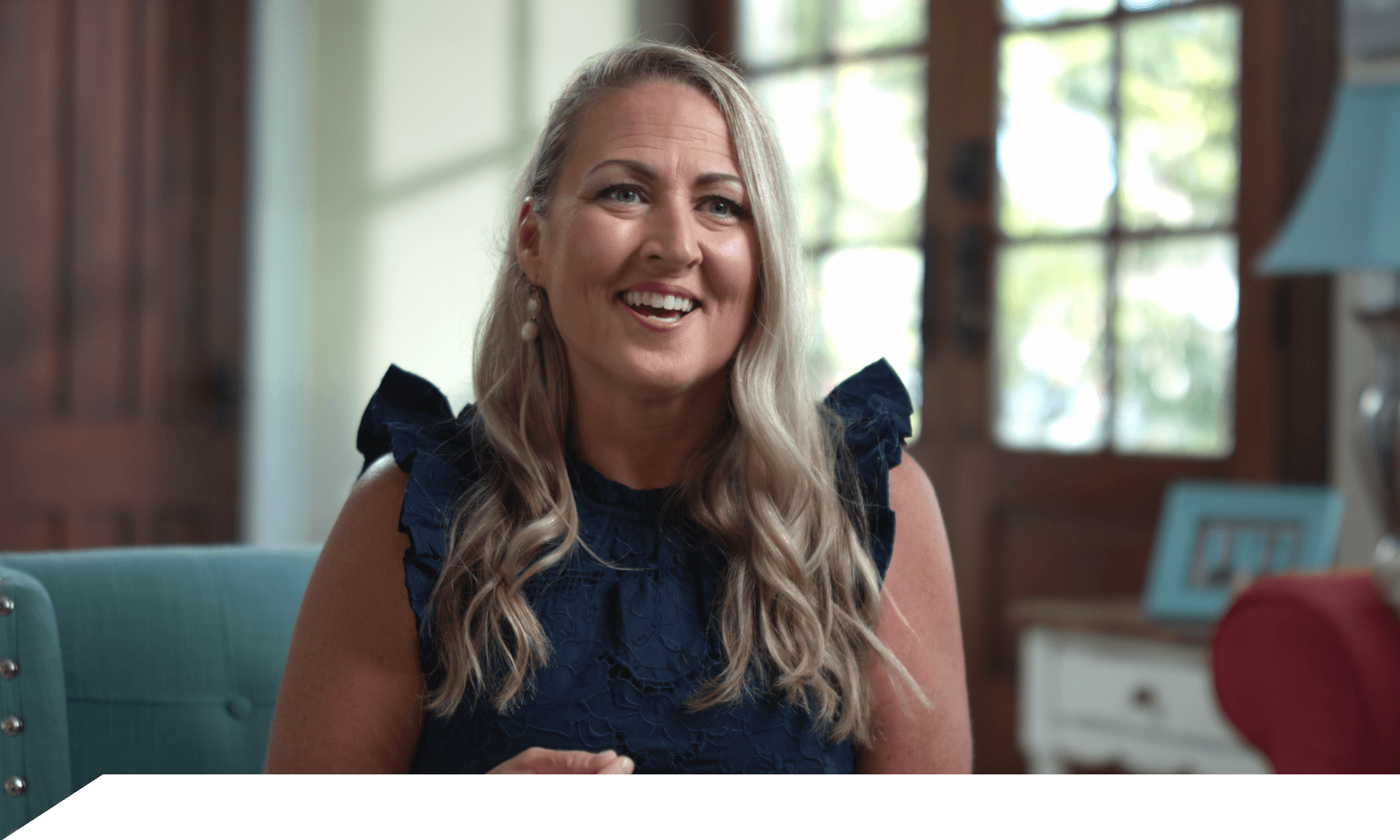
Weight loss advice is everywhere these days. For many Americans, weight struggles go beyond diet or fitness — they affect how people feel in their bodies, their confidence, and their day-to-day lives. And for some people, trying to “eat better” or “move more” alone doesn’t always lead to lasting results.
Ellen Frazier* of Charleston, South Carolina, knows that struggle all too well.
After years of dieting, exercising, and starting (then stopping) more fitness plans than she could count, Ellen found herself wondering: “What other options are out there?” Her search eventually led her to an innovative minimally invasive weight-loss procedure called endoscopic sleeve gastroplasty (ESG), and it changed the way she thought about her health.
When “Trying Harder” Isn’t An Option
Ellen’s relationship with her weight shifted in her 40s, a time when many people notice changes in metabolism, hormones, and energy levels. During the COVID-19 pandemic, her eating and drinking habits began to look different.
“I leaned into self-soothing behaviors,” Ellen shares. “Overeating, eating for pleasure, drinking more than usual or to excess — habits that were not supportive to my health.”
Between 2020 and 2022, Ellen gained about 40 pounds. And while the number on the scale may have been tough to accept, what bothered her more was how it affected daily life.
Activities she once loved — like kayaking with her husband or taking long walks with her dogs — became harder to enjoy.
Looking for a path forward, Ellen explored multiple approaches. She tried different diets, supplements, and even looked into prescription weight-loss medications like GLP-1s. At the time, cost made this option difficult for her in the long run.
Looking Beyond Traditional Weight-Loss Surgery
At first, Ellen considered gastric sleeve surgery. However, that option was ruled out due to her history of acid reflux and inflammation of the esophagus. That’s when she came across ESG.
Unlike traditional weight-loss surgery, ESG is minimally invasive with no incisions or scars. The procedure uses a flexible endoscope that is guided through the mouth and into the stomach. A specially trained physician uses sutures to reduce the volume of the stomach about 70–80%.¹ The goal? Helping patients feel fuller faster and eat smaller portions — without removing any part of the stomach.
For Ellen, ESG felt like an option that aligned with her health needs and long-term goals.
The Recovery Process
Ellen had the ESG procedure in November 2022, and like many patients, returned home the same day and gradually resumed her routine daily activities. With the guidance of her physician and a nutritionist, she followed a structured recovery plan — starting with liquids before slowly reintroducing solid foods. “I took my recovery very slowly and followed all of the directions to a T,” Ellen says.
Her Physical and Mental Shift
Still, Ellen is quick to emphasize that ESG isn’t a shortcut. “ESG is not a quick fix,” she said. “It is a lifestyle change and requires a complete mindset shift.” For her, that shift included addressing emotional patterns around food, committing to regular movement, and approaching her health with greater self-awareness.
As time passed, Ellen began to notice changes, not just in how much she ate, but in how she felt around food.
“Before I started my ESG journey, I felt defeated, like I had given up on myself,” she shares. “Now, I am free from overusing food. It feels amazing.”
In the first year following her procedure, Ellen exceeded her goal weight.* But the scale wasn’t the only measure of success.
“Before my procedure, I was a once-a-week yoga person, and I would occasionally walk my dogs,” Ellen says. “Now, I am so grateful to have found hot yoga at a wonderful little studio near my home, and I’m back to taking long walks with my dogs.”
Who Can ESG Be Right For?
The procedure is designed for adults with a body mass index (BMI) between 30 and 50 kg/m² who haven’t achieved or been able to maintain lasting results through diet or exercise alone.
Studies show that ESG is effective when combined with long-term lifestyle changes around nutrition and physical activity.¹ A physician trained in ESG can help determine whether the procedure is an appropriate option based on your health history and goals.
Of course, any medical procedure comes with considerations that should be reviewed with a health care provider. ESG is a procedure that physicians perform using the OverStitch™ Endoscopic Suturing System. The most common side effects are nausea, abdominal pain, vomiting and abdominal discomfort—especially during the first week. Other symptoms like constipation, heartburn, or bloating may occur but usually go away within 30–60 days. For important safety information, see endura.com/safety.
Ellen’s Thoughts for Anyone Considering ESG
Ellen’s big takeaway is this:
“Before having any type of procedure, find out what it is that makes you lean into food and overeating,” she says. “While ESG can be an effective tool, you must also work on that mental component for long-term success.”
It’s important to remember: There’s no single path to better health — and wellness looks different for everyone.
To learn more about endoscopic sleeve gastroplasty and find a physician trained in the procedure, visit Endura.com.
*This patient testimonial is sponsored by Boston Scientific. Individual results may vary. In a randomized study, patients with class 1 or class 2 obesity (BMI 30 to 40 kg/m2) who underwent ESG in conjunction with prescribed diet and exercise counseling achieved an average of 13.6% total body weight loss at year one, compared to 0.8% with lifestyle modification alone. In that study, 64.7% of patients who underwent ESG in conjunction with lifestyle changes lost at least 10% TBWL compared to 4.5% of patients with lifestyle modification alone. Approximately 21.2% of patients lost more than 20% of their body weight. Optimal results were achieved when patients committed to long term lifestyle changes around diet and exercise. All procedures have risk, including endoscopic sleeve gastroplasty. Patients should consult with their doctor to discuss risks and benefits of any medical procedure.
CAUTION: U.S. Federal law restricts this device to sale by or on the order of a physician.
Results from case studies are not necessarily predictive of results in other cases. Results in other cases may vary.
This material is for informational purposes only and not meant for medical diagnosis. This information does not constitute medical or legal advice, and Boston Scientific makes no representation regarding the medical benefits included in this information. Boston Scientific strongly recommends that you consult with your physician on all matters pertaining to your health.
¹Abu Dayyeh BK, Bazerbachi F, Vargas EJ, Sharaiha RZ, Thompson CC, Thaemert BC, Teixeira AF, Chapman CG, Kumbhari V, Ujiki MB, Ahrens J, Day C; MERIT Study Group; Galvao Neto M, Zundel N, Wilson EB. Endoscopic sleeve gastroplasty for treatment of class 1 and 2 obesity (MERIT): a prospective, multicentre, randomised trial. Lancet. 2022 Aug 6;400(10350):441-451. doi: 10.1016/S0140-6736(22)01280-6. Epub 2022 Jul 28. PMID: 35908555.
Live Smarter
Sign up for the Daily Skimm email newsletter. Delivered to your inbox every morning and prepares you for your day in minutes.